


Potassium humate is a water-soluble salt formed by the reaction of humic acid with potassium-containing alkaline substances. It is widely used in agriculture as a soil conditioner, fertilizer synergist, and plant growth regulator. There are two main preparation methods: industrial alkaline extraction method (mainstream) and laboratory small-scale preparation method.
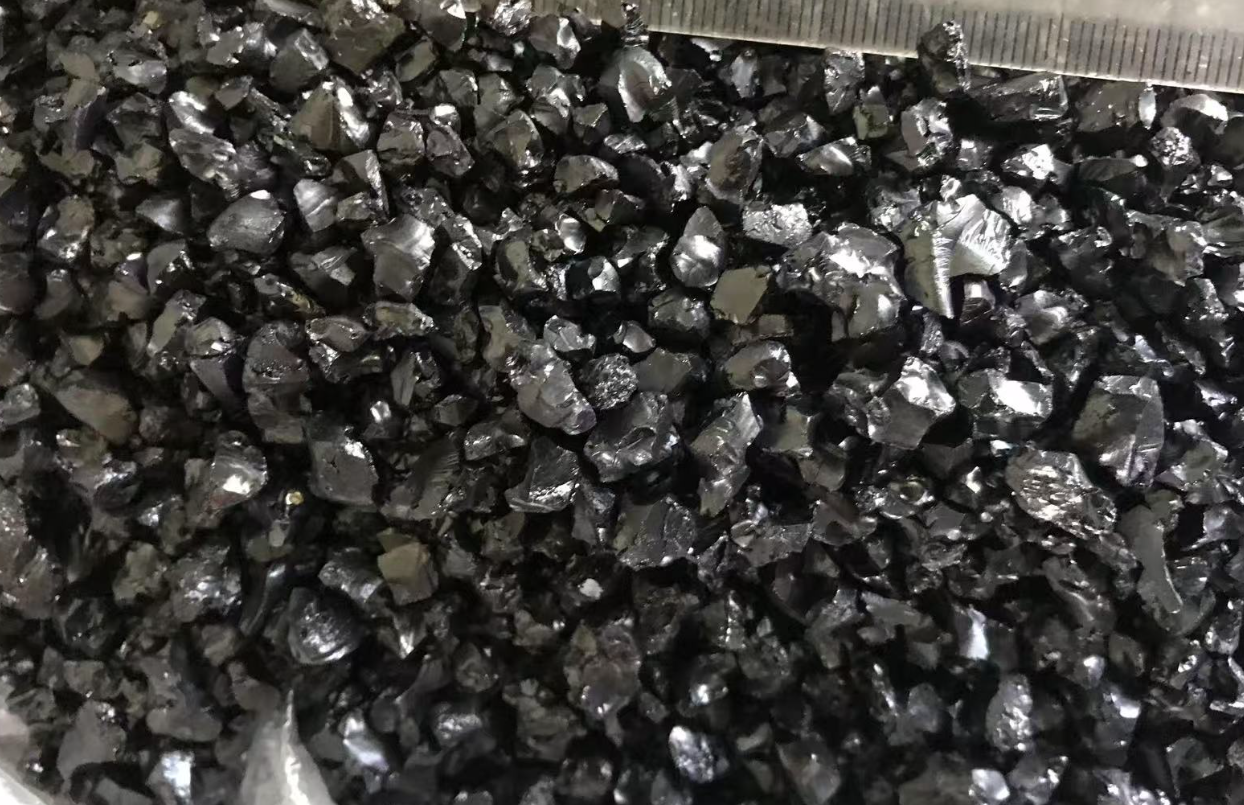
Core Raw Materials
- Humic acid source: Lignite, weathered coal, peat, or humic acid ore (with humic acid content ≥ 40% is preferred, high content ensures high product yield).
- Potassium-containing alkali: Potassium hydroxide (KOH, high reactivity) or potassium carbonate (K₂CO₃, milder, suitable for preparing low-alkalinity potassium humate).
- Auxiliary materials: Deionized water, dispersants (optional, to improve humic acid dissolution rate).
1. Laboratory Small-Scale Preparation Method
Suitable for scientific research, sample testing, or small-batch trial production, with simple operation and easy control of conditions.
Step 1: Raw Material Pretreatment
- Crush the lignite/weathered coal into 80–120 mesh powder (the finer the particle size, the larger the contact area with alkali solution, and the higher the extraction rate).
- Dry the crushed raw material in an oven at 60–80°C for 2–4 hours to remove free water (avoid high temperature exceeding 100°C to prevent humic acid structure destruction).
Step 2: Alkaline Extraction Reaction
- Prepare potassium hydroxide solution: Dissolve analytical-grade KOH in deionized water to make a 5%–10% (mass concentration) alkaline solution, stir until completely dissolved.
- Mix raw materials and alkali solution: Add the pretreated humic acid raw material to the KOH solution at a solid-liquid mass ratio of 1:5–1:8.
- Heating and stirring reaction: Place the mixture in a water bath, heat to 50–70°C, and stir continuously for 2–4 hours. During the reaction, humic acid reacts with KOH to form soluble potassium humate:
Humic acid (carboxyl/hydroxyl group)+KOH→Potassium humate+H2O - Adjust pH value: Maintain the system pH at 9–11 during the reaction (too low pH will reduce humic acid dissolution; too high will increase product alkalinity and affect application).
Step 3: Solid-Liquid Separation
After the reaction, cool the mixture to room temperature, and separate the solid residue from the liquid potassium humate solution by suction filtration or centrifugation (the residue is insoluble mineral matter, which can be discarded or recycled for other uses).
Step 4: Concentration and Drying
- Concentration: Put the filtrate (potassium humate solution) into an evaporating dish, heat it in a water bath at 80–90°C for concentration until the solution becomes a viscous paste (avoid direct fire heating to prevent local overheating and carbonization).
- Drying: Place the concentrated paste in an oven at 60–70°C for vacuum drying or air drying until the water content is ≤ 15%.
- Crushing and sieving: Grind the dried solid into powder and sieve it with a 80-mesh sieve to obtain powdered potassium humate finished product.
2. Industrial Large-Scale Preparation Method
The process is optimized based on the laboratory method, focusing on efficiency, cost control, and continuous production.
Key Process Flow
- Raw material pretreatment: Use a crusher to crush raw coal into 100-mesh powder, then use a rotary dryer to dry to water content ≤ 10%.
- Continuous alkaline extraction: Use a stirred tank reactor, continuously feed humic acid powder and 8% K₂CO₃ solution (potassium carbonate is cheaper than KOH, reducing industrial cost) at a solid-liquid ratio of 1:6, control the reactor temperature at 65°C, and residence time at 3 hours.
- High-efficiency separation: Use a plate and frame filter press or horizontal centrifuge for continuous solid-liquid separation to improve production efficiency.
- Spray drying: Concentrate the filtrate to 20% solid content through a multi-effect evaporator, then send it to a spray dryer (inlet temperature 180–200°C, outlet temperature 80–90°C) to directly obtain powdered potassium humate (this step avoids the agglomeration problem of oven drying).
- Product grading: Sieve the dried powder, grade it according to humic acid content (≥ 50% for agricultural grade, ≥ 70% for high-grade products), and package it.
Key Quality Control Points
- Humic acid content: The finished product should have humic acid content ≥ 45% (agricultural standard), which can be determined by the titration method.
- Water solubility: The water solubility of potassium humate should be ≥ 95% (insoluble matter is too high, which will affect application effect).
- pH value: Control the pH of the finished product at 8–10 (suitable for agricultural application, avoiding soil alkalization).
- Impurity control: Ensure that heavy metal content (lead, cadmium, arsenic) meets national agricultural fertilizer standards.
Notes
- Safety protection: Potassium hydroxide and potassium carbonate solutions are corrosive. Wear rubber gloves, goggles, and protective clothing during operation to avoid contact with skin and eyes.
- Waste treatment: The solid residue after separation can be used as building material additives or soil improvement auxiliary materials, avoiding environmental pollution.
- Storage conditions: Store the finished potassium humate in a dry, ventilated warehouse, away from moisture and acidic substances (to prevent decomposition of humate).
Application Tips
The prepared potassium humate can be directly mixed with nitrogen, phosphorus, potassium fertilizers to make compound fertilizers, or dissolved in water to make foliar fertilizer, which can improve soil structure, promote crop root growth, and increase fertilizer utilization rate.
Do you need a detailed quality inspection standard table for potassium humate to judge whether the prepared product meets the application requirements?

